







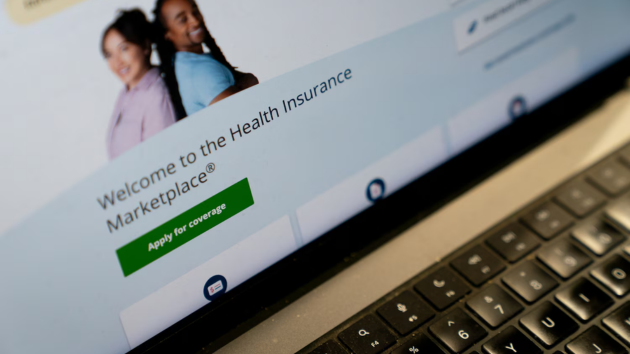
(WASHINGTON) -- Millions of Americans have dropped health insurance coverage under the Affordable Care Act (ACA), according to new data from the Department of Health and Human Services (HHS).
The report, which was published on Friday, showed that about 19.2 million people were enrolled under the ACA in the first two months of 2026, down by about 3 million people compared to the same time last year.
HHS attributed the lower number of enrollees to its efforts to crack down on fraud.
The report claimed the administration stopped "1.5 million enrollees from receiving subsidies they did not qualify for and ended or blocked another 1.4 million through February 2026, for a total of 2.9 million people who had previously been improperly receiving subsidies they did not qualify for."
However, the decrease in enrollees comes amid rising costs and a pause of the enhanced premium tax credits.
The enhanced premium tax credits, also known as ACA subsidies, help lower or eliminate the out-of-pocket cost of monthly premiums for those who purchase insurance through the health insurance marketplace.
The subsidies were part of the original ACA passed during the Obama administration. The amount of financial assistance was increased along with eligibility during the COVID-19 pandemic. The subsidies expired at the end of 2025.
In October and November, the subsidies became a sticking point during the longest government shutdown in U.S. history.
Republicans said the expansions from the pandemic era went too far and tried to persuade Democrats to fund a temporary spending bill that didn't address the expiring ACA subsidies, with promises of discussing ways to continue the subsidies later.
Meanwhile, Democrats insisted on extending the premium tax credits as part of a bill to end the shutdown, warning that their expiration could be detrimental for millions of American families.
In January, the House passed a three-year extension of the enhanced premium tax credits, but the measure is now stalled in the Senate.
Estimates from the Congressional Budget Office have suggested that gross benchmark premiums -- the price of a standard plan before government subsidies are applied -- could increase by 4.3% in 2026 and by 7.7% in 2027 without an extension.
An April report from the actuarial firm Wakely Consulting Group found more than one in 10 ACA enrollees did not pay their health insurance premiums at the beginning of the year. Data also showed "extensive buy downs," with enrollees moving to lower-tier or cheaper plans.
The nonprofit KFF found that premium payments from enrollees increased by an average of 58% from $113 to $178 per month, including among those who did not receive the enhanced premium tax credits.
Emma Wager, senior policy analyst for the program on the ACA at KFF, said there is fraud in the ACA marketplace, but the scale described by the federal government may be exaggerated.
"I think when you look at what the federal government has said about this drop, they refer to it as being the result of a crackdown on fraud and fraudulent enrollment," Wager told ABC News. "Given the data that we have, it's really not possible to determine how much of the drop in enrollment is related to fraud versus people voluntarily dropping coverage."
She noted that we know premiums rose "significantly" from last year to this one.
"So many people really couldn't find coverage that was affordable for their families and they were faced with that difficult choice," she continued. "People faced double-digit, triple-digit increases in their premiums between 2025 and 2026."
Insurance companies previously told ABC News that plan rates are rising, even without the tax credits, due to "higher utilization and more complex care among ACA members -- particularly in emergency room visits, behavioral health and specialty pharmacy. For instance, ACA members use the ER at nearly twice the rate of those with employer-sponsored coverage."
Wager said those who choose to drop coverage, or those who are uninsured, are at risk of massive financial problems if they become sick, injured or need health care.
"That's obviously something none of us can control," she said. "So if you suddenly have a hospitalization or an illness that costs you thousands and thousands of dollars and you don't have any form of coverage whatsoever, you can face bankruptcy, you can face the loss of your savings. It's a very large financial risk."
Copyright © 2026, ABC Audio. All rights reserved.